

Top Midjourney alternatives for e-commerce product images in 2026
Midjourney is often touted as a go-to tool for AI image generation. The tool was one of the first on the market, and its prompt-based AI model produces hyper-realistic imagery and videos across a range of styles.
But the platform has its shortcomings, especially for e-commerce teams. A steep learning curve, heavy censorship, and the high cost of AI-generating credits can be challenging or prohibitive to new users. And although Midjourney can create beautiful, hyper-realistic images, it’s designed for general use, not for e-commerce workflows.
Luckily, there are other options for creating and editing AI product photography—tools and platforms that can be customized to your specific e-commerce needs. We evaluated these top Midjourney alternatives (Photoroom, ChatGPT, Google Nano Banana, Stable Diffusion, Flux, and Leonardo AI) to determine how each meets the needs of real e-commerce teams.
The top alternatives to Midjourney at a glance
| Tool | Tool type | Best for | Key features | Pricing |
|---|---|---|---|---|
| Photoroom | Integrated into photo editing workflows | E-commerce product images | Background removal, batch editing, AI backgrounds, API integrations, catalog automation | Pro plans start at $7.50/month. Enterprise plans are also available. |
| ChatGPT | Embedded in chatbots and search engines | Image and accompanying asset generation | Conversational editing, text rendering in images, copywriting and marketing workflows | GPT Image 1.5 is included with GPT-5.2 Pro, with plans starting at $21 per 1 million tokens. |
| Google's Nano Banana | Embedded in chatbots and search engines | Quick, iterative edits | Multi-turn image editing, object replacement, outpainting, conversational edits | $30.00 per 1 million output tokens, with each image being 1290 output tokens ($0.039 per image). |
| Stable Diffusion | Integrated into photo editing workflows | Custom AI models | Open-source models, custom training, automation pipelines, flexible deployment | Pro plans start at $10/month for 2,000 credits. |
| Leonardo AI | Primarily focused on image generation | Creative and stylized imagery | In-app editing, style references, custom model training, Creative Engine API | Paid plans start at $12/month and include 8,500 credits. |
| Flux | Primarily focused on image generation | Multi-media generation | Image generation, video generation, editing tools, multiple AI models | Free plans available. Paid plans range based on credit usage and tools. |
Top Midjourney alternatives for AI image generation
1. Photoroom
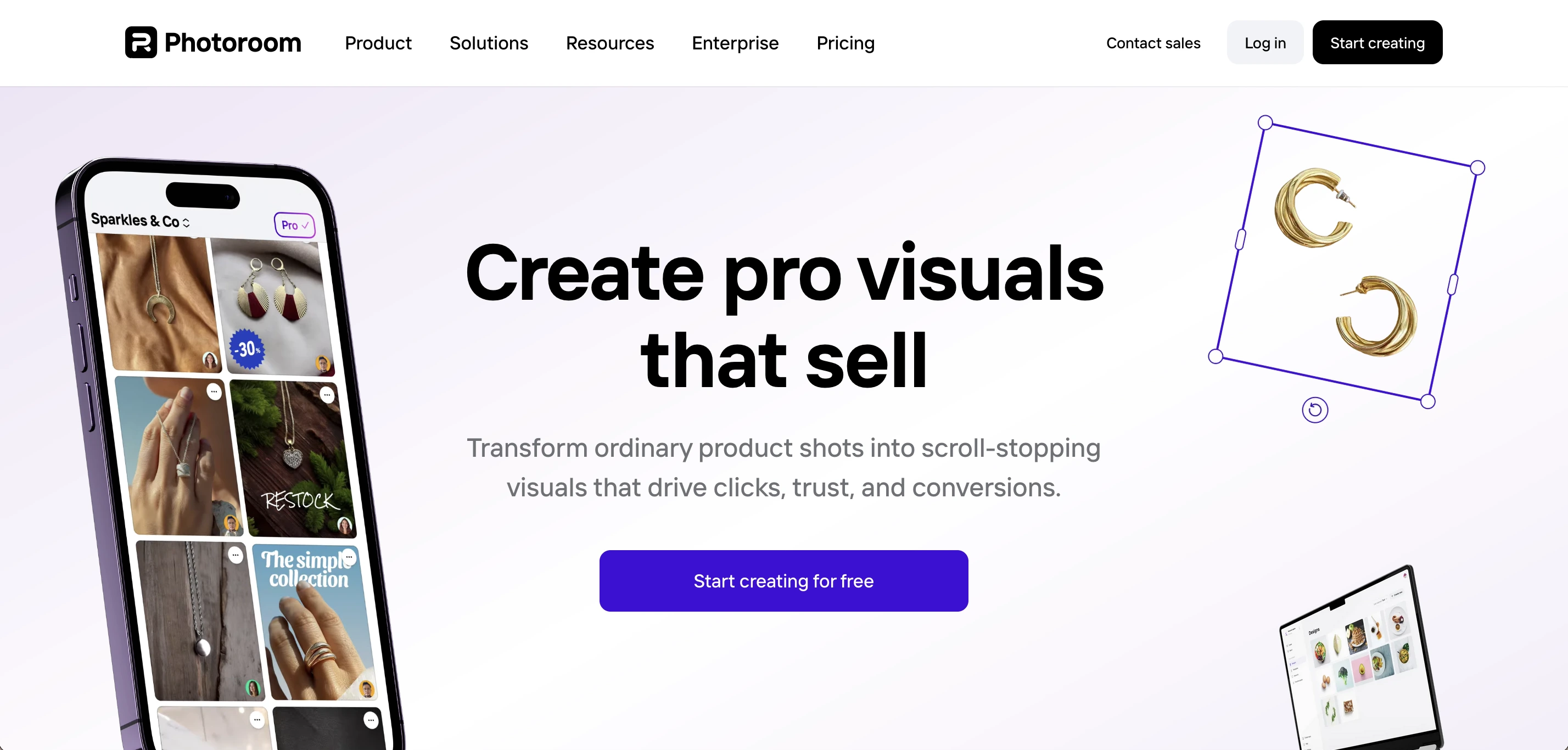
What it does best: Photoroom is an AI image generator and editing tool designed specifically for e-commerce teams and online stores. The tool is especially useful for editing and enhancing product imagery at scale, and delivering consistent, accurate results every time.
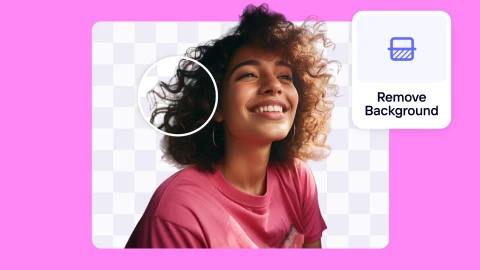
Ideal use case: You manage the online listings for a marketplace of independent brands and designers. Use Photoroom’s editor to unify off-brand imagery you receive from sellers: remove and replace backgrounds, apply brand standards, and adjust lighting across thousands of SKUs. For further automation, use Photoroom’s API.
Pros:
Photoroom was made for e-commerce teams and their unique needs. Unlike Midjourney, which focuses on generating creative imagery, Photoroom’s tools and features are designed for editing and scaling real product photos.
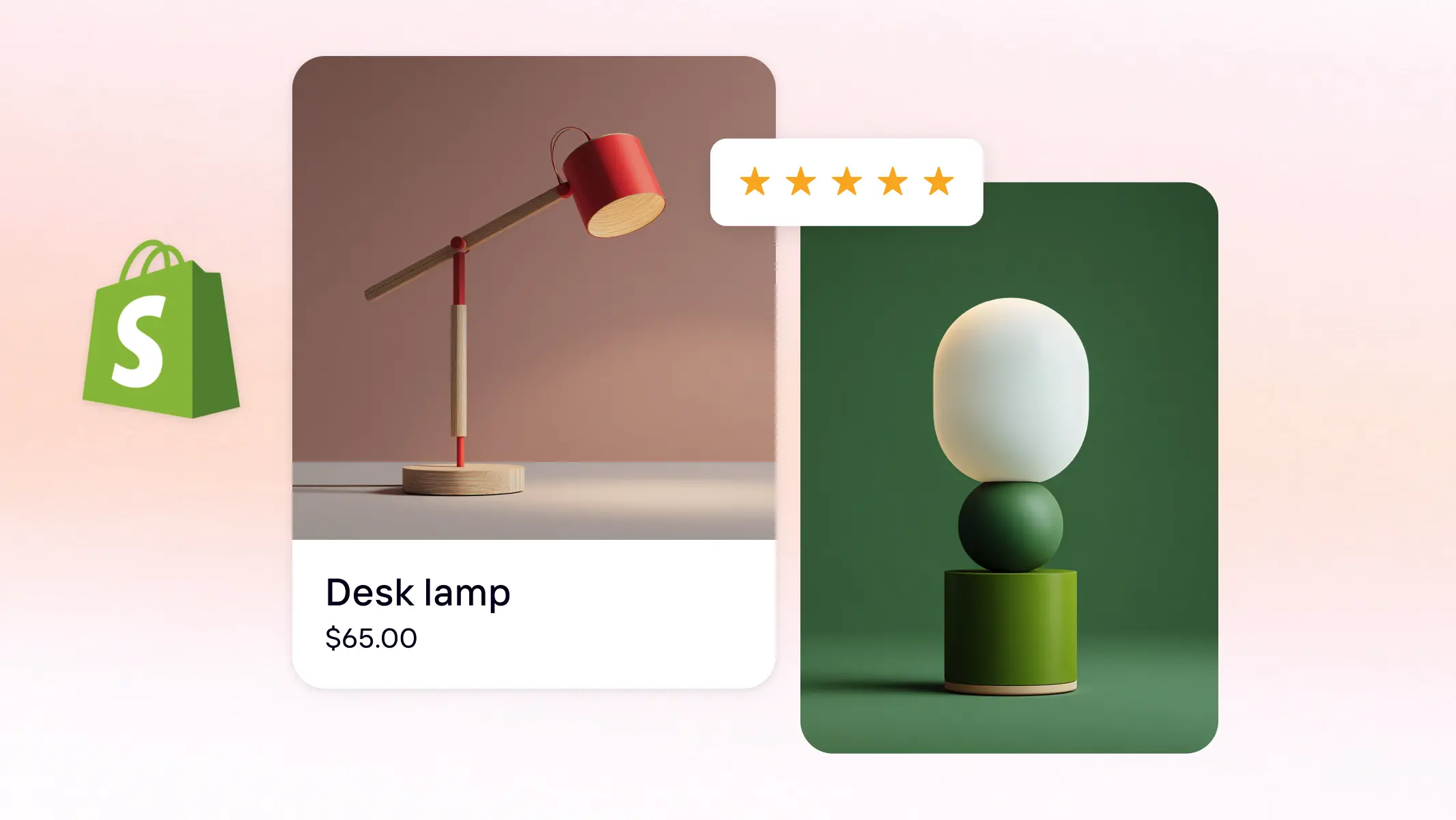
Integrates directly with platforms like Shopify and Amazon to generate and standardize marketplace-compliant listings.
User-friendly interface with templates and context-aware generation features. Generate backgrounds for product imagery based on the photo content, or edit images to align with marketplace standards in just a few clicks.
Batch edit up to 250 photos at once. Remove backgrounds, apply brand standards, and export across file types.
Enterprise and API plans allow for complete integration into your visual production workflow. Add Photroom’s API to content management systems like Google Drive to automate photo editing and placement.
Photoroom’s flexible model uses the best AI for any given image or prompt, generating accurate, highly realistic results across all outputs.
2. ChatGPT
Ideal use case: You want to incorporate a distinct brand voice and look into your product photography, e-commerce descriptions, and growth engines (drip campaigns, social media posts, etc.) Use ChatGPT to turn studio photos into lifestyle photography, create product descriptions, and write copy optimized for conversion.
Pros: ChatGPT’s conversation-style model helps teams create and refine multiple outputs in one workflow. Their latest model can also render high-fidelity text, ideal for marketing assets that require copy and visuals.
ChatGPT also offers enterprise plans, but its integrations are designed for broader use cases than e-commerce. E-commerce teams seeking an enterprise solution for visual production might need to combine ChatGPT with other tools to create complete workflows.
3. Google Nano Banana
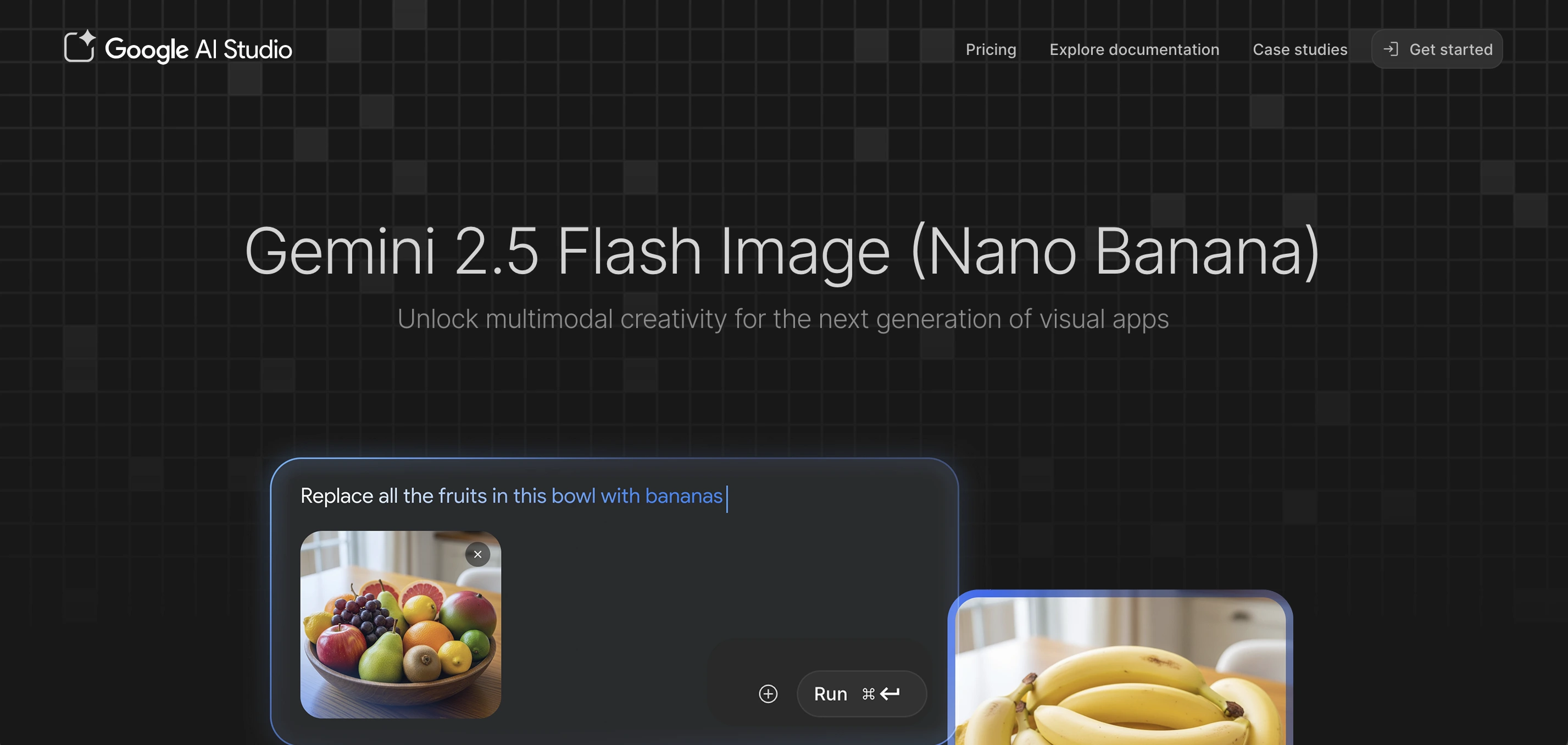
What it does best: With control over subjects and objects, Google’s Nano Banana’s chat-based AI is particularly suited for quick, iterative edits to product images.
Ideal use case: You’re the owner of a small textile company that sells products across multiple platforms. When you have a new product, use Google Nano Banana to add lifestyle backgrounds, resize with outpainting, and other quick edits that make your images compliant and high-converting across marketplaces.
Pros: Google Nano Banana uses multi-turn editing, which preserves the subject of your photo while generating highly realistic and efficient edits.
For enterprise users, e-commerce teams using Google Suite and products can integrate Google’s Nano Banana into their existing content creation and management systems.
Learn more: Photoroom vs Nano Banana Pro comparison: a model vs a complete AI product
4. Stable Diffusion
What it does best: Stable Diffusion is an open-source, customizable AI image generator. Advanced AI users can train Stable Diffusion models on their brand or platform’s own product image sets, yielding highly accurate results that help scale creative infrastructure and workflows.
Ideal use case: You are the e-commerce manager for a large kitchen supply chain. Train Stable Diffusion’s model on your existing product imagery and brand standards to automate and unify edits for every new product that enters your content management system.
Pros: Stable Diffusion’s open-source control unlocks capabilities that Midjourney doesn’t offer, like building automated pipelines and creating custom models for specific product categories.
Stable Diffusion offers advanced workflow capabilities for e-commerce teams, but getting the most out of its customizable models requires advanced engineering. For similar results across any expertise level, explore Photoroom’s Enterprise API.
Learn more: The 9 Best AI Image Generators in 2026 | Photoroom
5. Leonardo AI
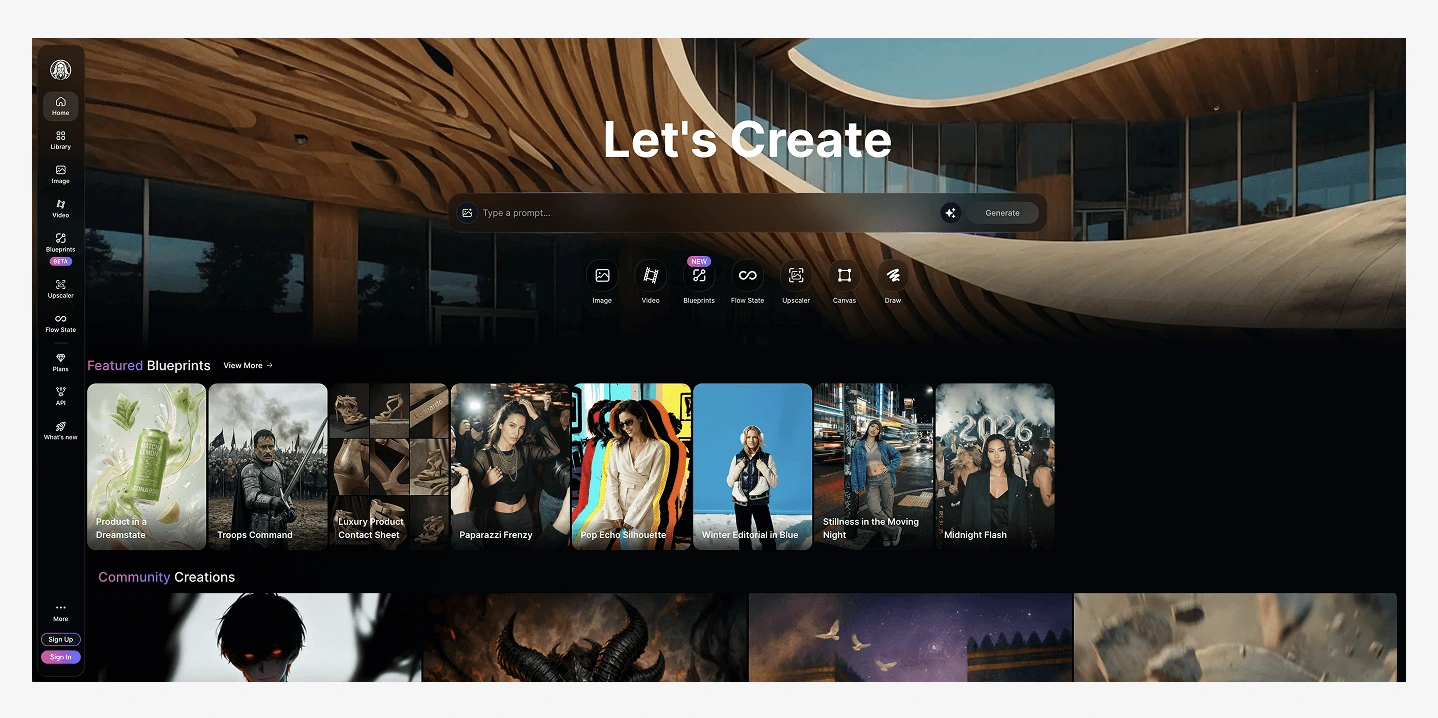
What it does best: Leonardo AI’s in-app editor allows you to generate high-quality, creative imagery and refine it in a single workflow. E-commerce teams can use Leonardo AI as a product photo editor to create multiple iterations of the same image—for seasonal campaigns or different platforms—in a single work session.
Ideal use case: You are creating seasonal campaign imagery for your most popular products. Use Leonardo AI to turn a studio photography shot into several, stylized images that align with holidays, seasons, and promotions.
Pros: Along with a streamlined generation and editing experience, Leonardo AI supports style references, leading to consistency across product imagery.
Along with its in-app editor, Leonardo AI’s enterprise offering allows teams to train the AI model on their own product imagery for truly accurate, on-brand results. E-commerce teams looking to automate workflows can also use Leonardo AI’s Creative Engine API to integrate the tool into existing platforms.
Learn more: The 9 Best AI Image Generators in 2026 | Photoroom
6. Flux
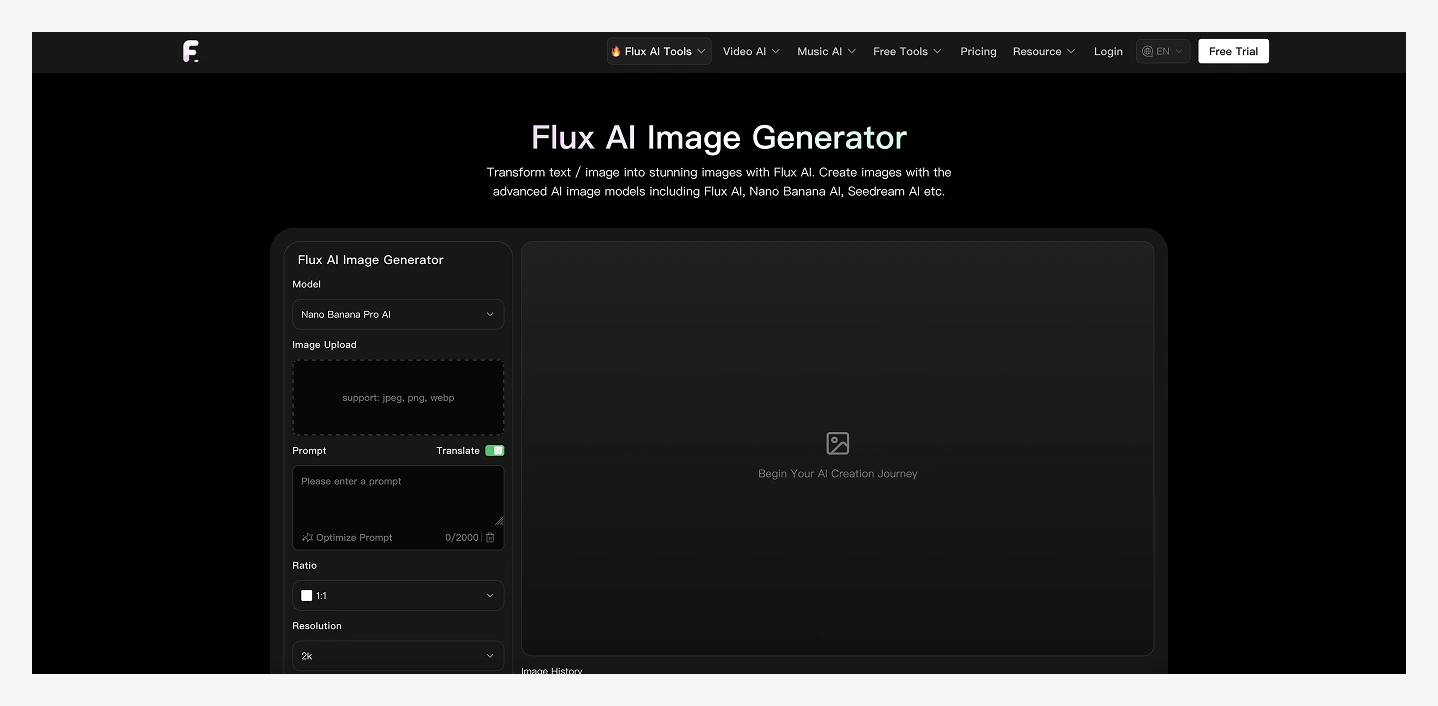
What it does best: Flux is an all-in-one AI creative suite that combines image generation, editing, video creation, and other visual tools in a single platform.
Ideal use case: You manage digital marketing for an exercise apparel brand, and your customers want to see your products in action. Instead of producing an expensive photoshoot, use Flux to generate images and videos of your products on models and in action.
Pros: Unlike Midjourney, Flux offers several AI models to choose from for any given task, such as photorealistic imagery or video generation.
Flux offers several free tools and paid plans, but its product is geared toward individual users, not enterprise teams. E-commerce teams that need enterprise or even e-commerce-specific features, like batch editing and team sharing, might find Flux’s workflows incomplete.
What makes a strong Midjourney alternative?
E-commerce teams looking for a Midjourney alternative should consider which tool will meaningfully help them scale and improve visual production workflows. When evaluating your options, consider these three main factors:
1. Consistent outputs and control
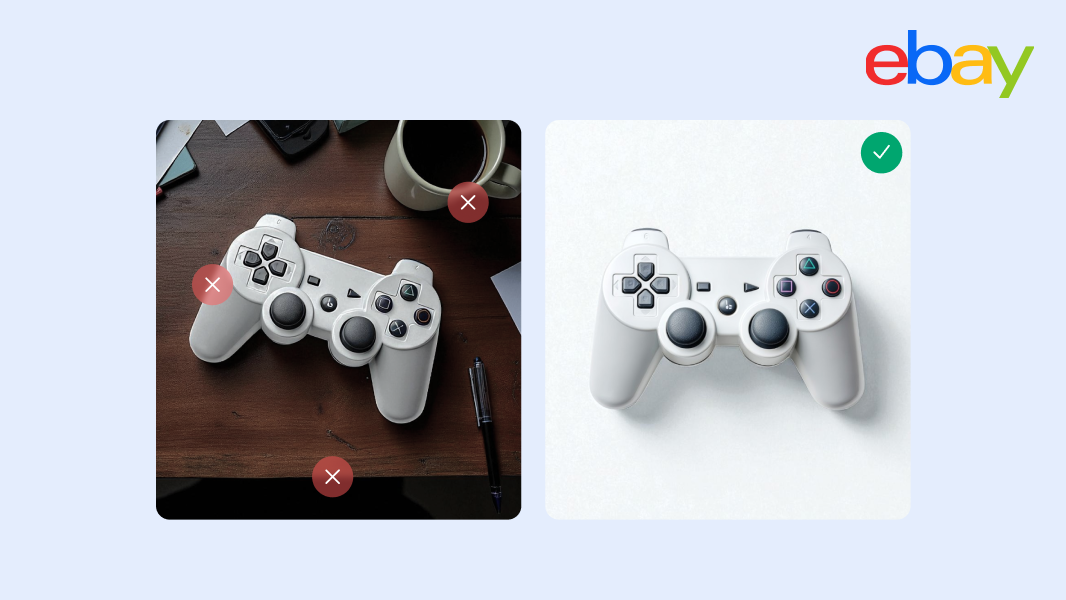
Product accuracy in catalogue imagery can be the difference between a returning customer and a bad review. While many AI tools can generate realistic imagery, not all can maintain your original image's details and quality. If the tool offers a free plan or trial, use it to determine how well it can make precise edits.
2. Workflow integration
Does the Midjourney alternative make it easier to get products online? Does it fit naturally within your existing workflows, or (even better) replace several tools with one?
If you’re going to invest in an AI image generator or editor, make sure it actually simplifies your visual production process, with tools like batch edits, marketplace-ready templates, and integration into existing content systems.
Photoroom offers these features and others designed to help e-commerce teams simplify and scale visual production workflows. To get started, try Photoroom on iOS, Android, or desktop.
3. Cost and pricing model
Investing in your product photography is one of the best things you can do for your business. According to Photoroom’s State of GenAi in Marketplaces 2026, 87% of marketplace shoppers say product visuals are the #1 factor impacting their purchase decisions. But you don’t have to make a huge investment to see improved product photography. The best Midjourney alternative should fit within your budget while delivering meaningfully improved results.
You’ll also want to take into account how the AI generation tool prices AI usage. A credit-based model can make experimenting with AI features challenging—when every action costs credits, you’ll pay more for experiments and mistakes. Look for a model with a monthly or annual flat rate that includes high or unlimited AI credits.
Choose the best Midjourney alternative to create marketplace-ready visuals
Midjourney is a popular tool for a reason: as an AI image generator, it can produce highly realistic, stunning, creative imagery. But e-commerce teams need more than one-off images or beautiful pictures; you need a tool that makes it easy to create, edit, and export hundreds of marketplace-ready images at a time—without any friction.
Frequently asked questions
What is the best Midjourney alternative for e-commerce product images?
The best Midjourney alternative for e-commerce product images is a tool that prioritizes accuracy, editing workflows, and scalability, not just creative image generation. Photoroom is designed specifically for e-commerce teams, offering features like background removal, batch editing, and catalog automation to prepare images for marketplaces like Amazon, Shopify, or Etsy. For teams managing large product catalogs, these workflow features can be more valuable than purely creative generation tools.
Can I use Midjourney for e-commerce listings?
Yes, Midjourney can be used to create visuals for e-commerce listings, especially for lifestyle imagery or marketing graphics. But the platform is primarily designed for creative image generation rather than editing real product photos or managing product catalogs. This means teams may need additional tools to make images marketplace compliant, maintain product accuracy, or batch-edit multiple listings. Many e-commerce teams combine Midjourney with other tools to complete their visual production workflows.
What is the best AI tool for creating marketplace-ready visuals?
The best AI tools for marketplace-ready visuals are those that help teams edit, standardize, and export product images at scale. Among the top Midjourney alternatives, Photoroom is the best choice. With tools designed specifically for e-commerce, Photoroom can significantly reduce the time required to prepare product listings.
Which Midjourney alternative works best for Shopify stores?
Photoroom’s Shopify integration and API allow sellers to automatically generate or edit product images and sync them with their store catalog. This can simplify tasks like removing backgrounds, creating lifestyle imagery, or resizing photos for product pages. Photoroom’s AI tools that support batch editing and automation are especially useful for Shopify stores with growing inventories.
What features should I look for in an AI image generator for e-commerce?
E-commerce teams should prioritize tools that support product accuracy, workflow integration, and scalability. Features like background removal, batch editing, AI background generation, and export options for different marketplaces can make a major difference in productivity. It’s also important to consider how easily the tool integrates with content management platforms or e-commerce stores. Finally, look for pricing models that support experimentation without charging per generation, which can quickly become expensive at scale.

Raleigh NorrisI share tips for improving e-commerce workflows and performance with AI.