

What I learned from vibecrafting my first physical product
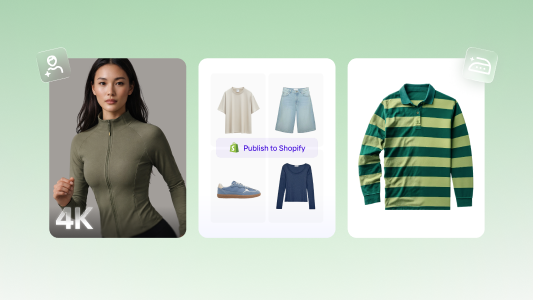
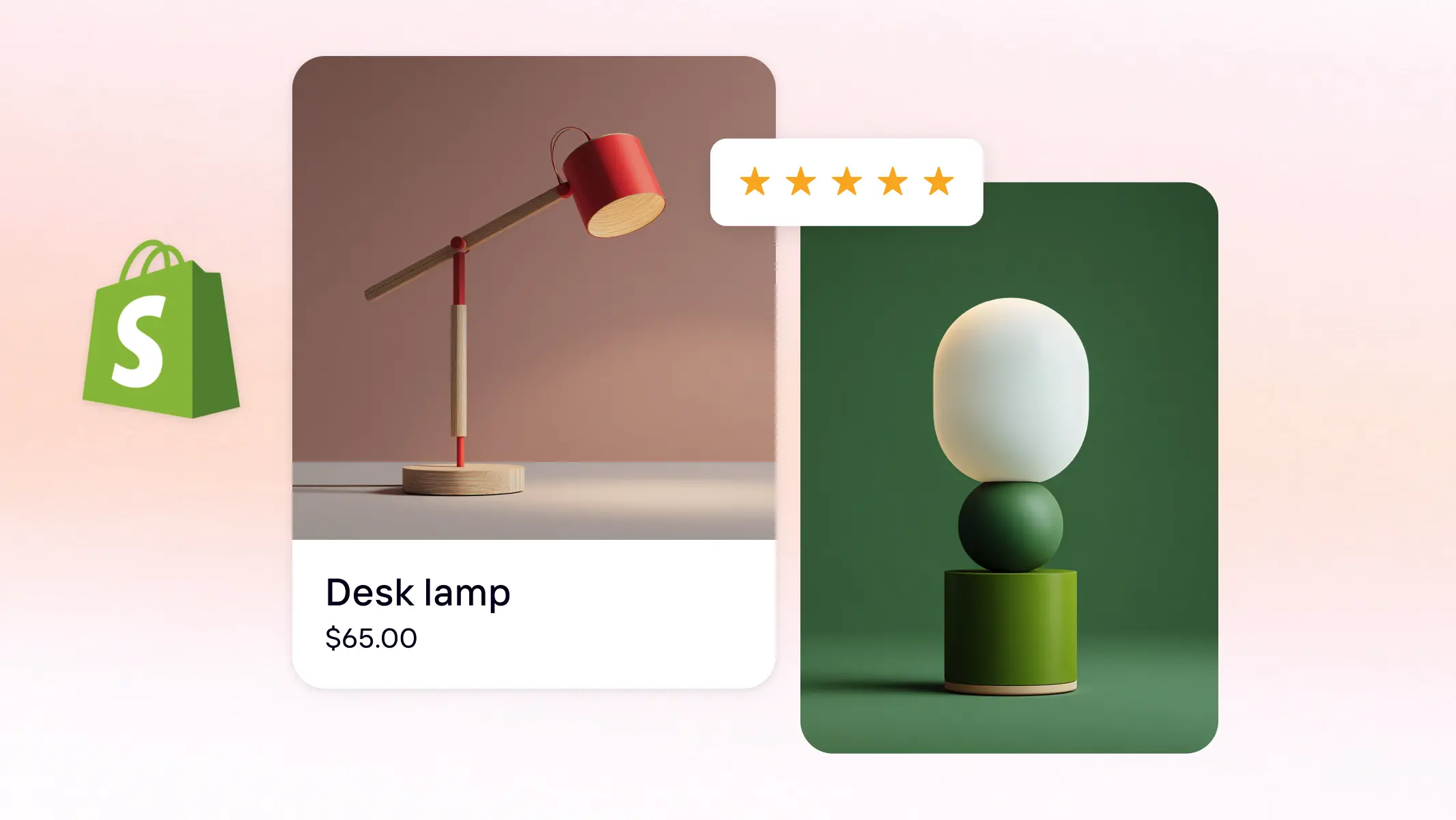
One of the most profound changes in the transition from offline to online commerce is deceptively simple: people don't buy products anymore. They buy pictures. In a digital world, visuals are the single most critical element driving decisions, evoking desire, and building trust.
At Photoroom, we already power tens of millions of sellers,from side hustlers to giants like Amazon and DoorDashto create those trusted visuals. But I've been thinking about what comes next. AI agents will become dominant buyers, scanning and purchasing based on images they can rely on for accurate colors, authentic contexts, and verifiable information. The sellers who win will be those whose visuals work for both humans and machines.
To truly understand this shift, I decided to stop theorizing and start doing. I'm launching my first physical product, entirely vibecrafted, and documenting the journey of building an e-commerce store using only AI.
Why I needed to become my own customer
You can't serve people well if you don't understand their pain and their joy. You can't build great tools for e-commerce sellers if you've never been one. So I decided to become one.
My goal was straightforward: start and run my own store, doing it entirely with generative AI. At first, I considered dropshipping, maybe a direct-to-consumer clothing brand. But then it hit me. If I'm not passionate about the product, I won't stick with it.
Ten years ago, I designed lamps using a 3D printer and OpenSCAD coding, just for fun. I loved playing with light, photography, and LEDs. It was tedious back then, having to code every single part of the object in the early days of 3D printing. I remember telling my wife last year that if I wasn't doing Photoroom, I'd want to be a lamp designer.
So why not?
What vibecrafting actually looks like
Here's where it gets interesting. I wanted to push generative AI as far as possible, using it for everything. I'm calling this vibecrafting, which is crafting products like an artisan but with AI as your primary tool. This might be the first vibecoded physical object.
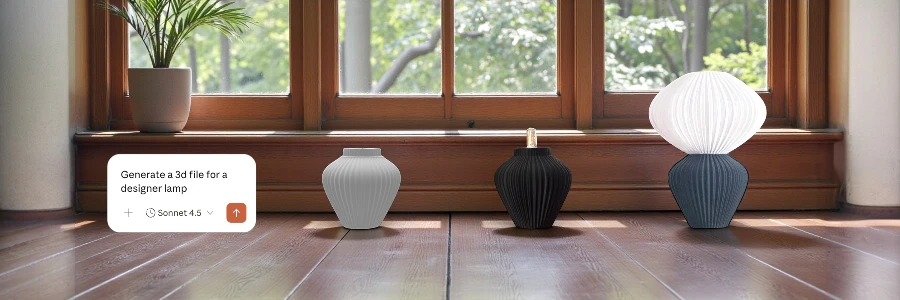
I started with a simple prompt in Claude: "Generate a mushroom lamp. One base, one shade 3D file. Include space for a G9 bulb socket."
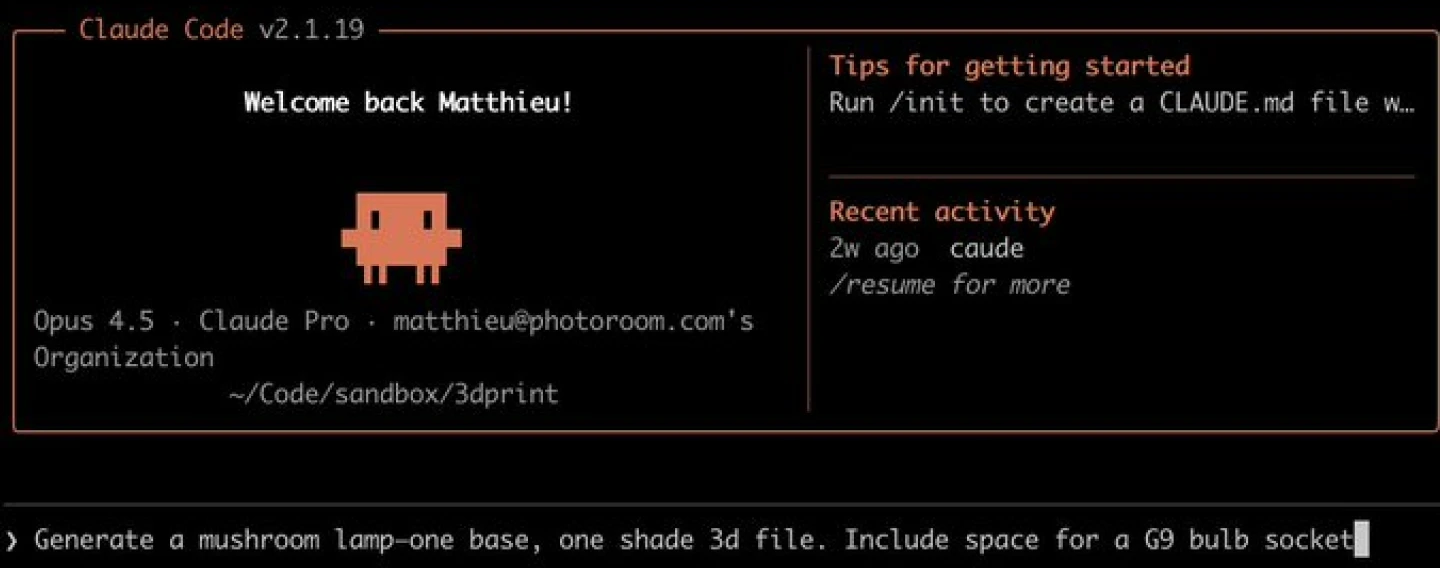
Claude generated a Python script that outputs the STL file, ready to print. In 15 iterations of just prompting, I got a fully developed product with embedded texts, bulb sockets, everything. The wild part is that I didn't touch any CAD software. Claude knows the exact dimensions of a G9 bulb socket. It executed perfectly. The shade and base plug into each other seamlessly.
This is the shift. You don't need to be a 3D modeling expert anymore. No need for 10,000 hours of training. You describe what you want. Small changes are so easy that iterations happen much faster, leading to better products. It doesn't work on the first try. 3D printing is imperfect. But it's the worst it will ever be, and Claude actually gives you tips to achieve the right printing setup.
What this experiment is really about
This vibecrafting experiment is inspired by vibecoding, which lets anyone build apps intuitively. Similarly, vibecrafting democratizes manufacturing unique physical products. Along the way, I'm learning the real pains of e-commerce sellers and discovering what AI can and can't do when building a physical product alone.
Will I be good at lamp design? Honestly, I don't know. But I'll understand my customers better. That's the point.
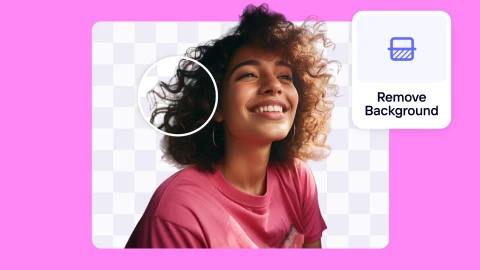
Chapter one is complete. I've finished the first entire lamp and turned on the light. I edited the photos with Photoroom (removed the background and replaced it with a suitable clean background, then resized) and built a landing page with Lovable for the first order.
What comes next
The next phase is building a GenAI-powered shop. I want to understand every friction point a seller encounters, from product photography to listing creation and customer communication. Each step is a chance to feel what our users feel and to see where AI genuinely helps versus where it still falls short.
I don't know yet what I'll discover. But I've learned that the best way to understand a future you're trying to build is to participate in it directly. Not by reading reports or watching demos, but by shipping something real and seeing what breaks.
The Vibes Lamp is just the beginning. The real product is the understanding that comes from creating it.

Matthieu RouifCo-Founder and CEO, and exploring how generative AI is reshaping creativity, commerce, and product creation.